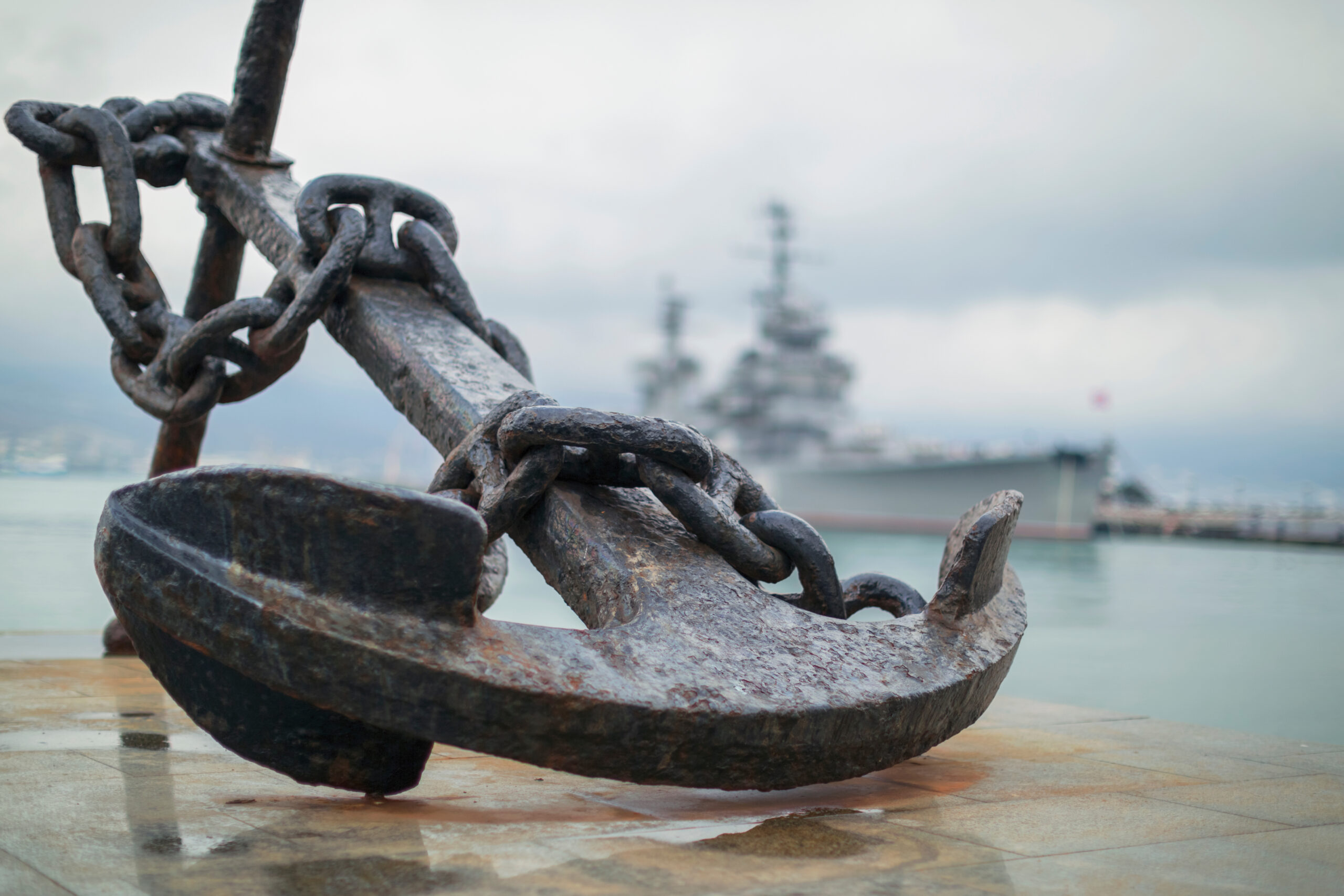
One of the most important skills a captain develops is anchoring. To people who do not spend much time on boats, it might seem simple. You find a place to stop, drop the anchor, and call it a day.
In reality, anchoring is an art. It requires planning, awareness, patience, and experience. The anchor itself is only part of the equation. Choosing the right spot matters just as much.
After years on the water and now running a yacht through the Bahamas, I have learned that anchoring is about much more than keeping a boat from drifting. It is about creating safety, comfort, peace of mind, and sometimes even unforgettable experiences.
The Search Begins Before the Anchor Drops
Long before the anchor reaches the bottom, decisions are already being made.
You are studying the chart. You are looking at water depth. You are checking the forecast. You are considering wind direction, tidal changes, current, and the type of bottom beneath the boat.
A beautiful anchorage can become uncomfortable very quickly if you ignore any of those factors.
The goal is not simply finding a place to stop. The goal is finding the right place to stop.
That difference matters.
Not Every Beautiful Spot Is a Good Anchorage
The Bahamas is full of places that look perfect at first glance. Crystal clear water, white sand, and incredible scenery can make any location seem ideal.
A captain learns to look beyond the beauty.
How exposed is the area to changing wind conditions? What happens if the forecast shifts overnight? Will the boat swing safely with the tide? Is there enough depth at low water?
The most beautiful spot is not always the best choice.
Experience teaches you to balance appearance with practicality.
Reading the Bottom
One of the advantages of cruising in the Bahamas is the incredible water clarity. In many anchorages, you can actually see the bottom beneath the boat.
Sand is usually your friend. It offers excellent holding and makes it easier to set the anchor securely.
Grass can be more challenging. Rock requires additional caution. Coral should always be respected and avoided whenever possible.
Learning to identify these bottom types becomes second nature over time.
The better you understand what is beneath you, the more confidence you have when the wind begins to build.
Patience Pays Off
One mistake I see people make is rushing the anchoring process.
They find a spot, drop the anchor quickly, and assume everything is fine.
Good anchoring requires patience.
You take your time selecting the location. You ease into position. You allow the anchor to set properly. You verify that it is holding before you relax.
That extra patience often prevents problems later.
Like many things in boating, slowing down usually produces better results.
Peace of Mind Has Value
One of the greatest rewards of a properly chosen anchorage is peace of mind.
Once the anchor is set and the boat settles into position, a sense of calm takes over.
You know the vessel is secure. You know you have considered the conditions. You know you have done your job properly.
That confidence allows everyone onboard to relax.
A good anchorage creates freedom because it removes uncertainty.
Some of the Best Memories Begin at Anchor
When I think about many of my favorite moments in the Bahamas, they did not happen while underway.
They happened at anchor.
Watching a sunset over calm water. Listening to the gentle sound of waves against the hull. Seeing stars fill the sky without any city lights competing for attention.
Those moments only happen because the boat is secure and the surroundings allow you to fully appreciate where you are.
The right anchorage becomes more than a place to stop. It becomes part of the experience itself.
Anchoring Teaches Awareness
Anchoring forces you to think ahead.
You have to consider what the conditions will be in six hours, not just what they are right now.
Will the wind shift overnight? Will the tide change direction? Will another vessel enter the anchorage?
That habit of thinking ahead becomes valuable far beyond boating.
Life often rewards people who look beyond the immediate moment and consider what lies ahead.
The Parallel to Life
The more years I spend on the water, the more I see similarities between anchoring and life.
Many people spend their time searching for the next destination. They focus on movement, progress, and getting somewhere else.
There is value in that, but there is also value in knowing where and when to stop.
Choosing the right place to anchor is really about choosing a strong foundation.
In life, that foundation might be family, faith, friendships, or personal values.
Just like a boat needs a secure anchorage, people need something steady to hold onto when conditions change.
Stability Creates Freedom
One of the great ironies of boating is that being securely anchored actually creates more freedom.
When you know the boat is safe, you stop worrying about it. You can enjoy the surroundings. You can rest. You can focus on what matters.
The same principle applies to life.
When your foundation is strong, you are better prepared to handle uncertainty. You have confidence because you know what supports you.
That stability allows you to move through challenges without losing your direction.
Why Anchoring Never Becomes Routine
Even after years of running boats, anchoring never feels routine.
Every location is different. Every weather pattern creates new variables. Every anchorage presents unique opportunities and challenges.
That is one reason I enjoy it so much.
Anchoring combines technical skill with judgment and experience. It requires awareness, patience, and respect for the environment around you.
Most importantly, it reminds me that success is not always about moving forward.
Sometimes success is about finding the right place to stop, settle in, and appreciate exactly where you are.